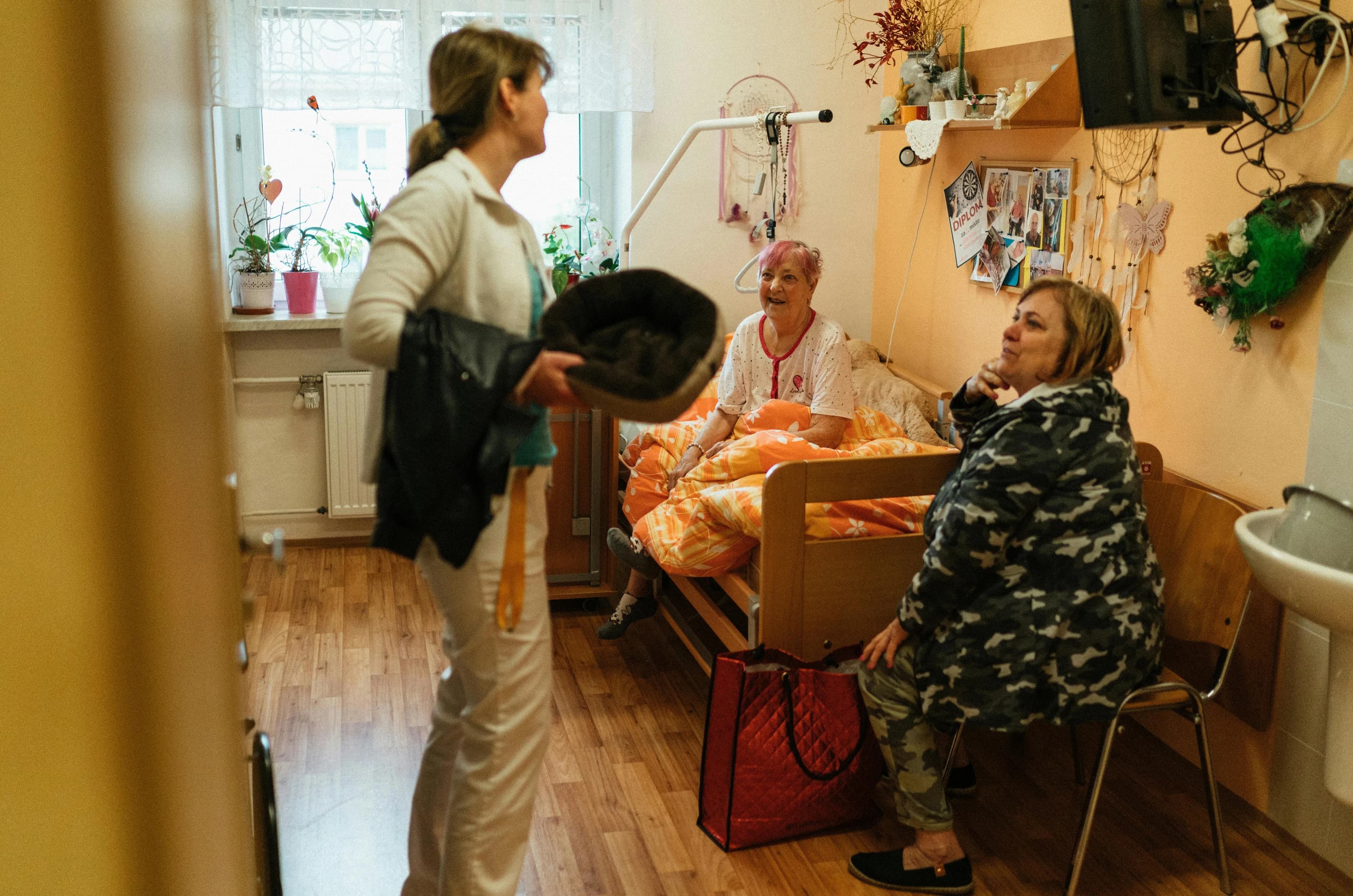
Caring for an aging parent can feel like holding ten responsibilities at once — medication schedules, doctor appointments, grocery runs, emotional support, bill payments, insurance calls — and doing most of it while managing your own job, family, and health.
You probably did not sign up for a second full-time job. But that is what caregiving becomes for millions of people. According to AARP and the National Alliance for Caregiving, 63 million Americans are now family caregivers, a 45% increase over the past decade. Most do not recognize burnout until it has already taken hold.
What caregiver burnout actually looks like
Burnout does not announce itself. It builds quietly, one skipped meal and one sleepless night at a time. Research shows that approximately 36% of family caregivers experience depression — significantly higher than the general population — and many do not realize it because they attribute every symptom to being tired.
Physical warning signs
- Trouble sleeping, even when you finally have time to rest
- Frequent headaches, stomach problems, or muscle tension
- Feeling physically drained before your day starts
- Getting sick more often than you used to
Emotional warning signs
- Snapping at small things that never bothered you before
- Guilt when you take even a 20-minute break
- Emotional numbness — going through the motions without feeling present
- Rising anxiety before every caregiving task
Signs that hit remote caregivers hardest
If you live far from your parent, burnout takes its own shape. You might recognize: checking your phone constantly, afraid you will miss the call that means something went wrong. Crushing guilt after every visit because you cannot stay longer. An invisible weight that friends and coworkers cannot see — because from the outside, your life looks normal.
If two or more of these patterns have been present for a few weeks, that is not a personality flaw. That is an early warning sign.
Why structured calls make a real difference
When caregiving relies on "call me if you need anything," very little actually gets shared. Your parent does not want to be a burden. Your siblings have their own reasons for not stepping up. And you end up holding everything.
Imagine two scenarios:
Without structure: You call your mom at random times. Sometimes she answers, sometimes not. You worry when she does not pick up. Neither of you knows if her medication was taken or if she ate lunch.
With structure: A check-in call happens at 10 AM every day. It covers how she is feeling, whether she ate, and if she took her medication. If she does not answer, a backup call goes out 30 minutes later. If she misses both, a trusted contact gets notified.
The second version is not more loving — but it is more sustainable. For a detailed look at building this kind of daily rhythm, our guide on daily check-in calls for seniors covers the research and practical setup.
With Ultaura, families can set up exactly this structure — recurring calls, quiet hours, trusted contacts, and missed-call plans — so support runs on a system instead of one person's memory.
If structured check-in calls sound like what your family needs, try a free demo to see how it works.
A 20-minute weekly reset for families
Even with daily calls in place, someone needs to coordinate the bigger picture. This weekly check-in takes 20 minutes.
- Review the past week in facts, not blame: What was hard? What worked? What got missed?
- Assign clear ownership for the next 7 days — medication refills, transportation, missed-call follow-ups.
- Confirm call windows and backup windows.
- Pick one caregiver-protection action — one evening fully off, one backup person on standby, or one task removed from the primary caregiver's plate.
Asking family for help is harder than it sounds. You may feel like you are admitting you cannot handle it. But clear requests get better results than vague ones:
"I need coverage for Mom's 7:00 PM check-in on Tuesday and Thursday. If she misses both retries, please contact Uncle Ray first, then me. Can you confirm by tonight?"
That is not asking for a favor. That is coordinating care.
When to go beyond calls
Check-in calls handle daily coordination well. They are not a substitute for clinical care or emergency response. Act quickly if you notice sudden confusion worse than baseline, falls, breathing trouble, statements about self-harm or hopelessness, or repeated missed calls with unusual silence.
If someone is in immediate danger, call 911. For mental health crises, the 988 Suicide and Crisis Lifeline is available 24/7 — call or text 988.
If a missed call has left you unsure what to do, our guide on what to do after a missed check-in call walks through a response plan.
Taking care of the caregiver
The AARP Caregiving in the US report found that 67% of family caregivers struggle to balance their job with caregiving, and 84% say it has a moderate or high impact on their daily stress. Those numbers describe real people — probably people a lot like you.
You do not have to reach a breaking point. Structured routines and shared ownership will not eliminate every hard day, but they can turn caregiving from something you white-knuckle through alone into something your family manages together.
If you are wondering where to begin, our 14-day onboarding guide walks you through setting up check-in calls step by step. The fact that you are reading this means you are already paying attention. That matters more than you think.
Not medical advice: This article is educational and does not replace advice from a licensed clinician or emergency professional.